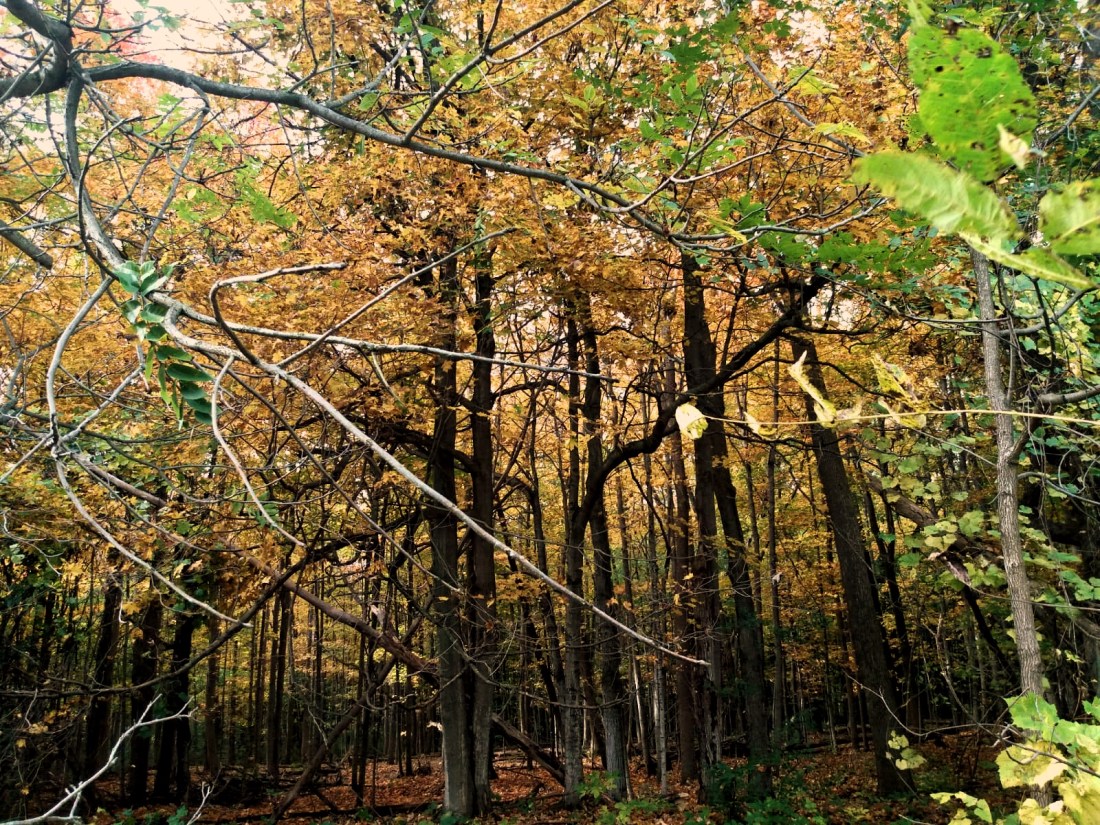
A forest in Waterloo.

This is a photography blog. I will post photos that I take and some interesting facts about photography.
A forest in Waterloo.


These are my grandparents when they were young. People sometimes say that I look like my grandmother, I love her so much.
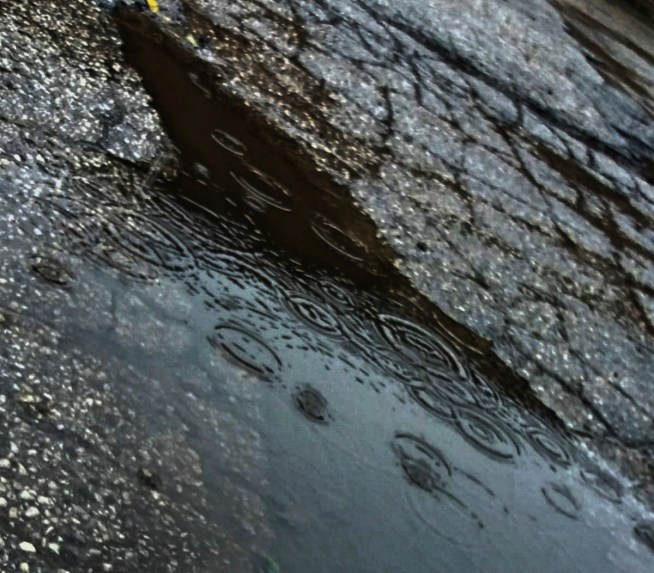
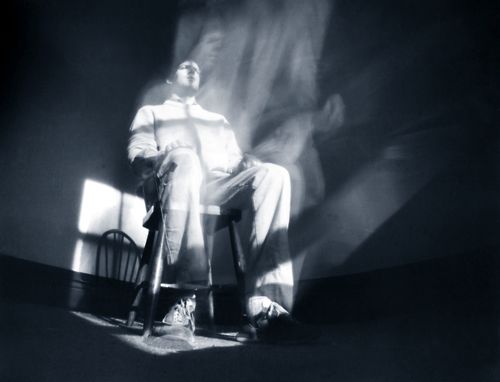
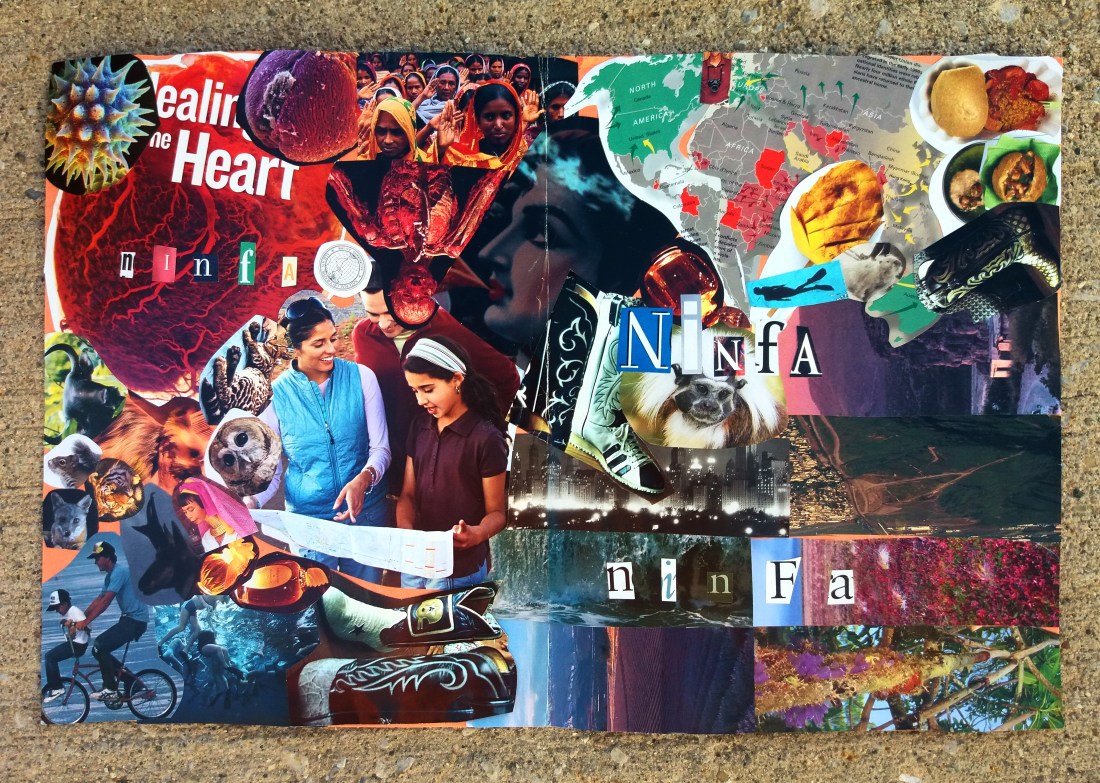
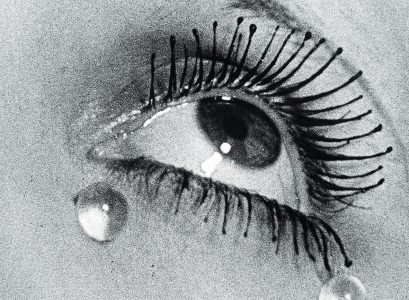
My biography.
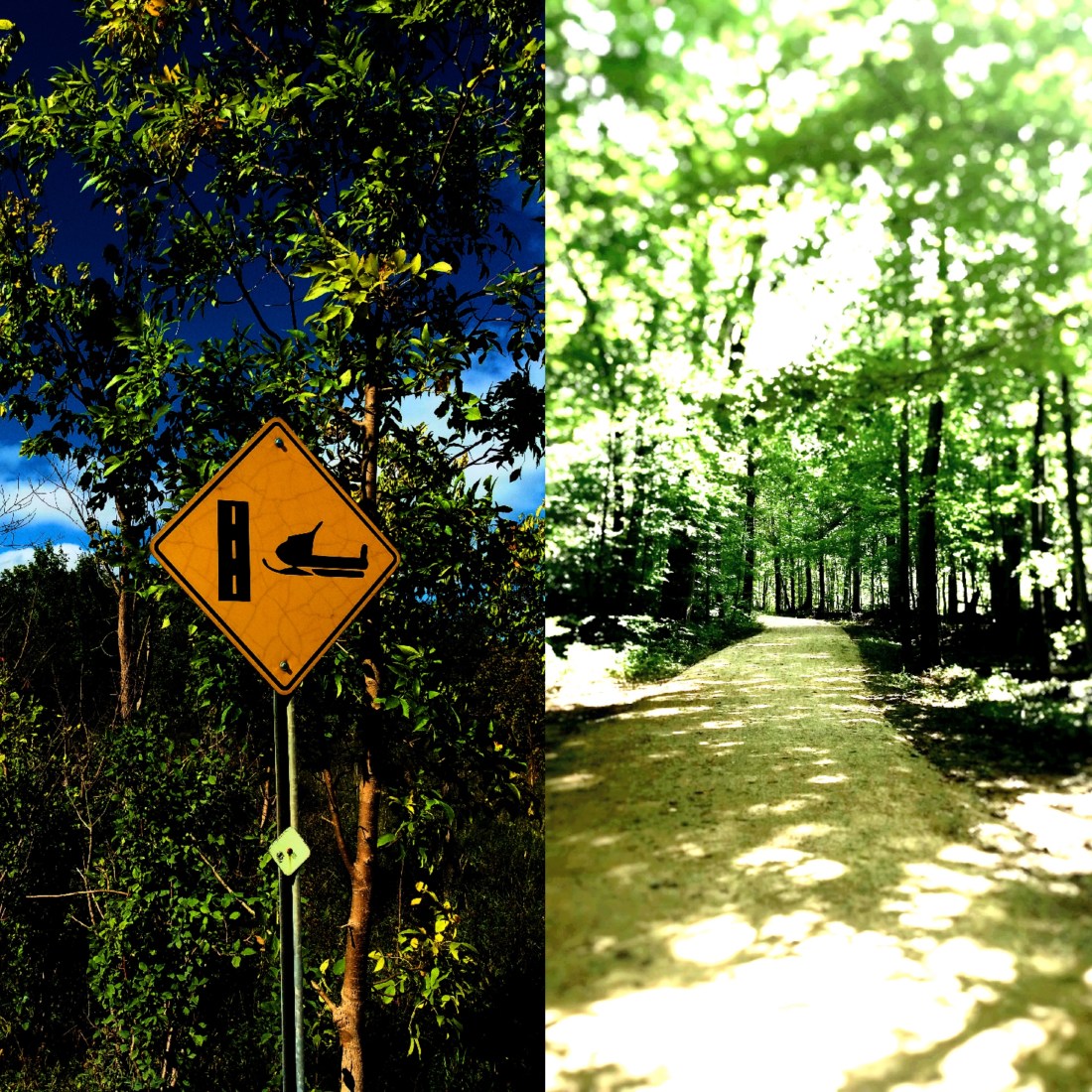
The beginning was yesterday.
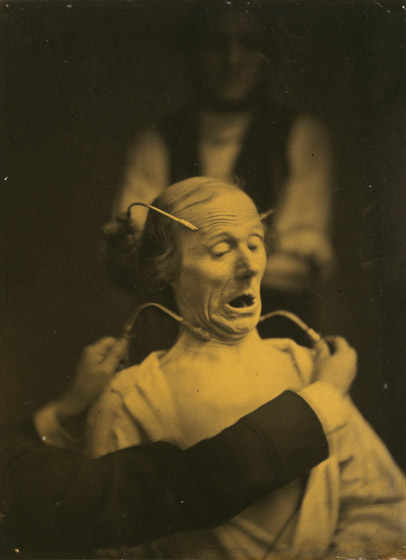
Guillaume-Benjamin-Amant Duchenne (de Boulogne), French, 1806–1875.
A neurologist, physiologist, and photographer, Duchenne de Boulogne conducted a series of experiments in the mid-1850s in which he applied electrical currents to various facial muscles to study how they produce expressions of emotion, he then photographed his subjects to establish a precise visual lexicon of human emotions.
I find this photo so interesting, because of how normal seems to be an experiment with people, take a photo and then post it on a scientific book. And also because the face of the men is so funny hehehe 🙂
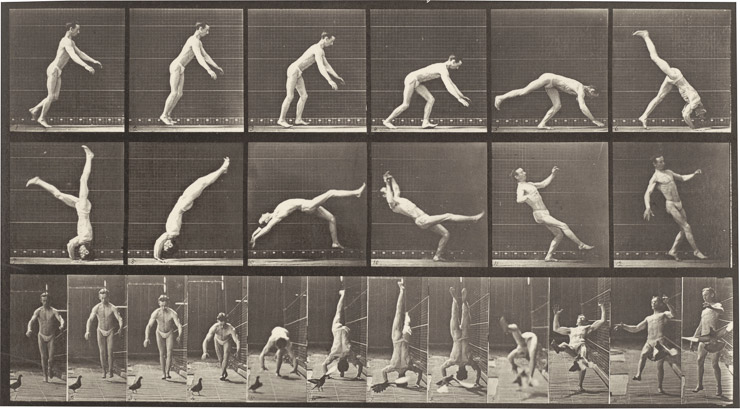
Eadweard Muybridge, American, born England, 1830–1904.
Muybridge’s experiments in the 1880s revolutionized the understanding of movement and inspired scientists and artists alike. Using banks of cameras equipped with precisely triggered shutters, he captured sequences of pictures of people and animals moving and performing simple actions, such as climbing stairs or, as here, performing a head-spring. Showing small increments of movements, his work made visible what once was imperceptible to the human eye and laid the foundation for motion pictures.
I really like this photography, because we can see all the movements that the men has to do during the head-spring, and I also find it impressive that the photographer could take some images with such a good quality and precision.


Barnack was born on 1st November 1979 in Germany.
He was the designer of the first precision miniature camera to become available commercially. The camera was named Leica, an anagram obtained from Leitz Camera. Barnack suffered from asthma, so he decided to reduce the weight and size of cameras to be able to take photographs on his trips.
Barnack determined the standard 24 × 36-millimeters picture size for 35-millimeters film and was partly responsible for designing the Leitz Elmar lens. He was also one of the first photographers to create a new picture style in which you could see the relationship of people to their environment.
My high school in different points of view.
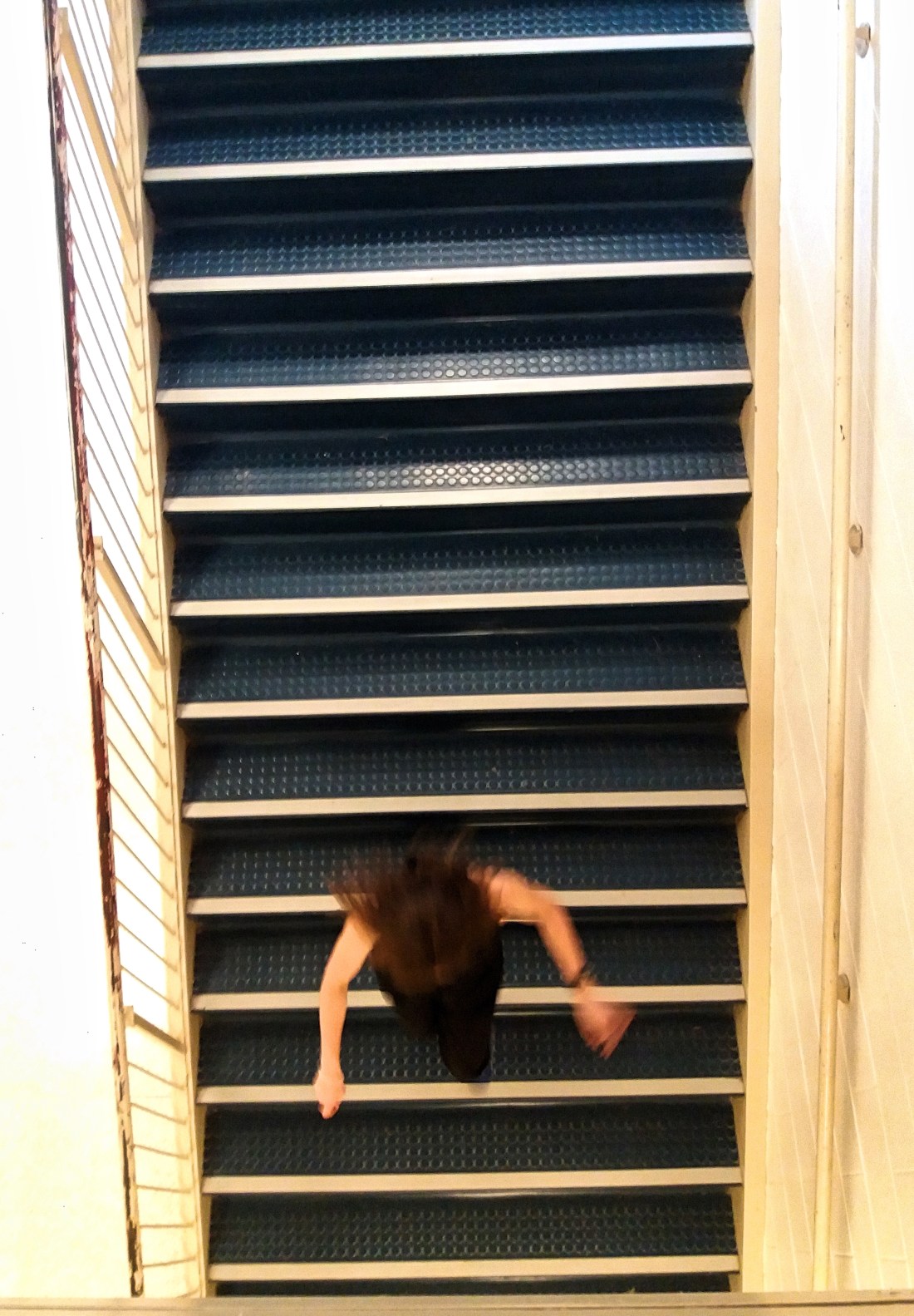

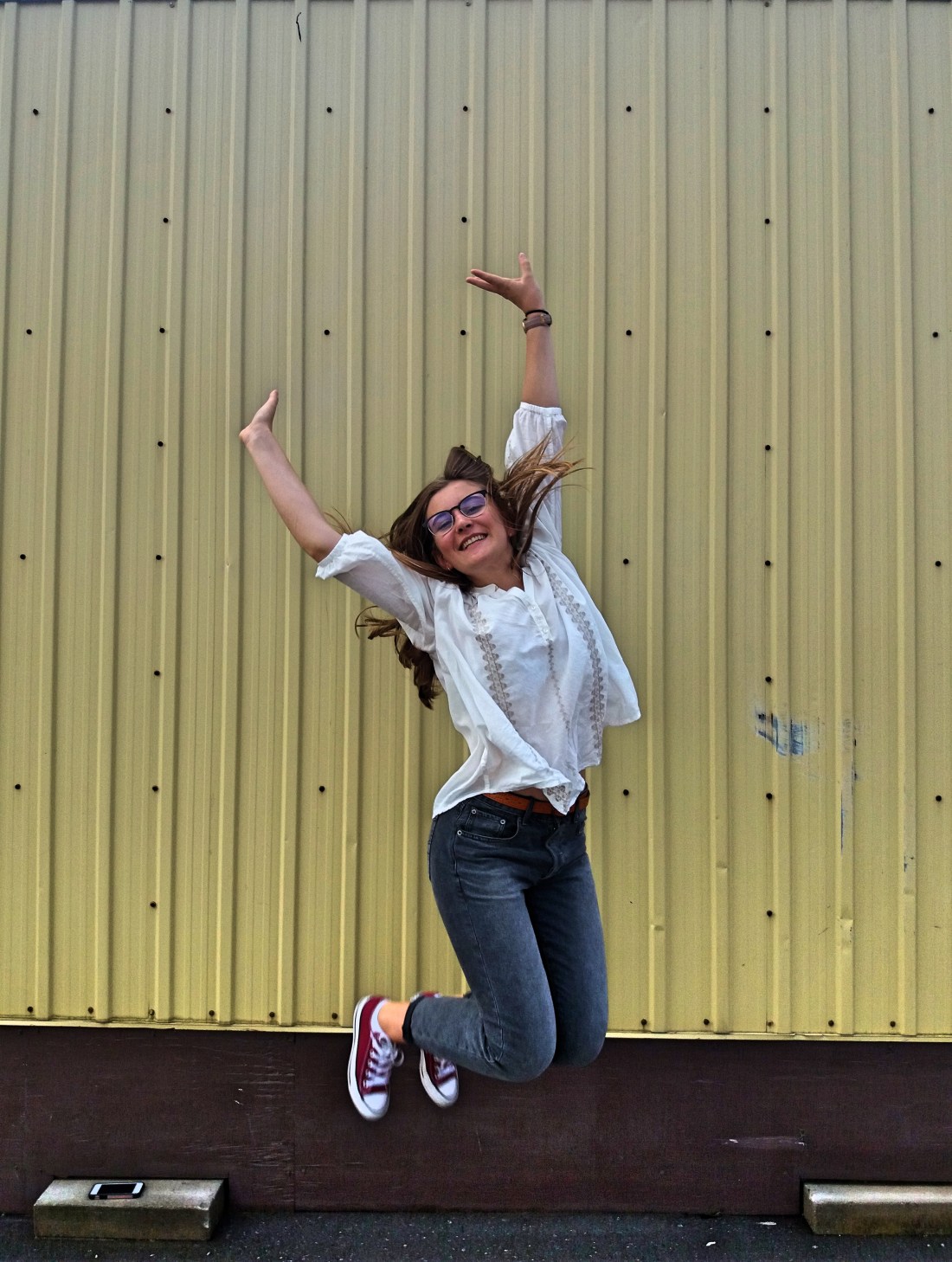
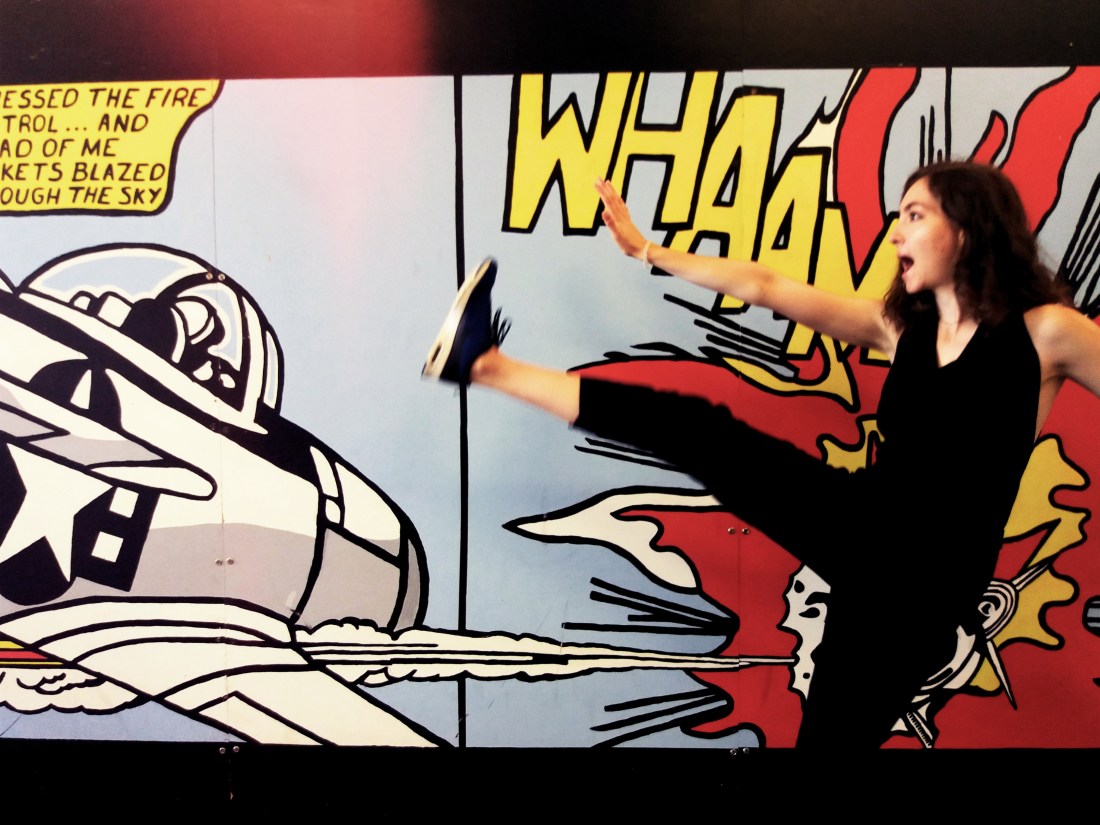
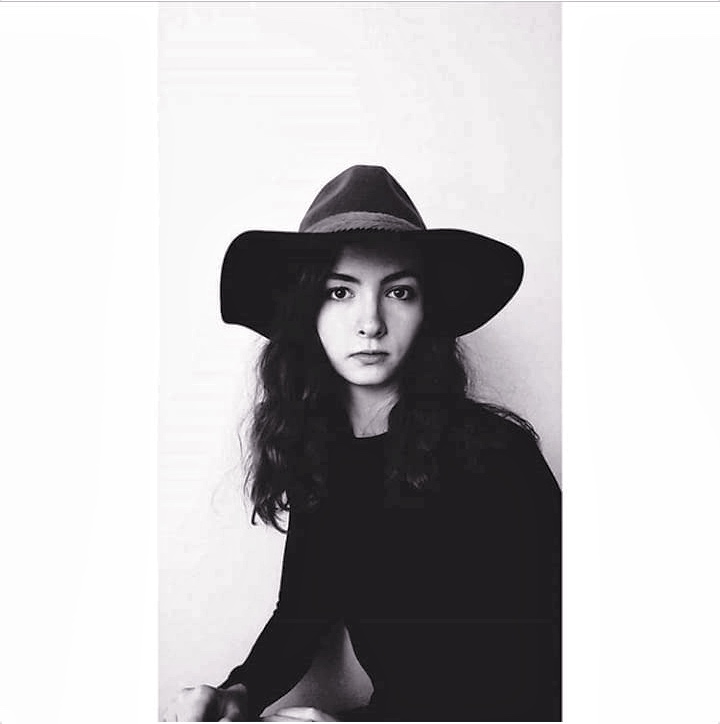
I truly don’t know why this is my favorite photo, maybe because it is very simple and a bit unique at the same time or because it reminds me of a precious moment.
 ninfa'sss